
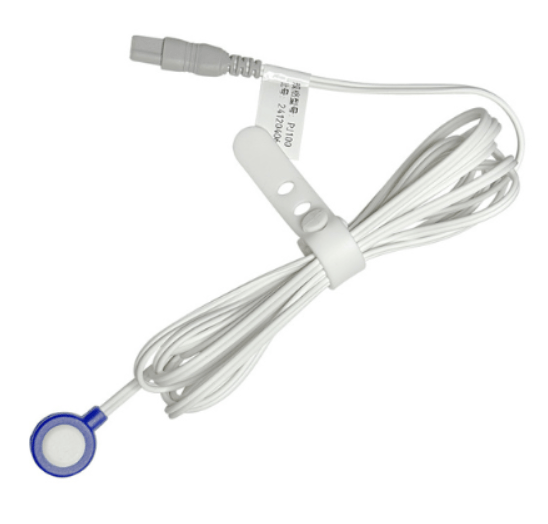
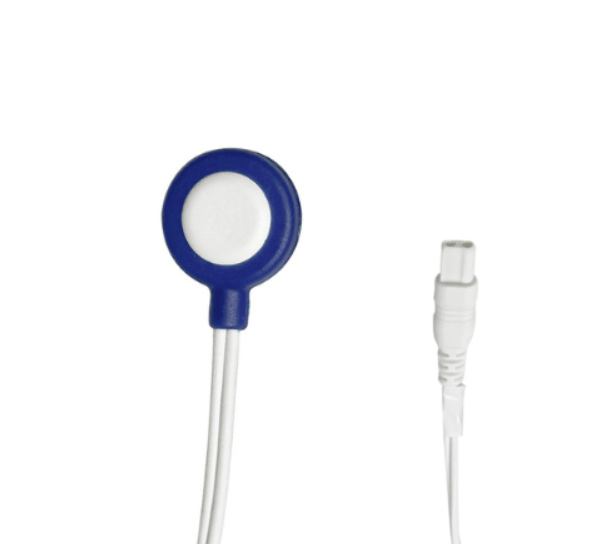
Alice 6 Snore Microphone
Original price was: $267.96.$194.88Current price is: $194.88.
OEM Alice 6 snore microphone acoustic vibration sensor for Philips Respironics Alice 6 sleep diagnostic systems Reusable | Pack of 1 | Part No. 1078753. Captures accurate tracheal snoring waveforms with zero ambient noise interference. Fast express worldwide shipping via FedEx & DHL.
Availability: 15 in stock
Overview of Alice 6 Snore Microphone
The Alice 6 snore microphone is a dedicated clinical acoustic sensor designed specifically for the Philips Respironics Alice 6 diagnostic polysomnography system. Engineered to capture subtle, high-frequency vibratory sound waves produced by upper airway resistance, this acoustic transducer provides sleep clinicians with precise qualitative documentation of snoring intensity, duration, and frequency during overnight diagnostic polysomnography (PSG) recordings.
Table of Contents
- Clinical Significance & Signal Fidelity
- Key Features & Specifications
- Clinical Application & Placement Guide
- Care, Cleaning & Sterilization
- Frequently Asked Questions
Clinical Significance & Signal Fidelity
Accurate detection of snoring is essential for diagnosing sleep-disordered breathing, including obstructive sleep apnea (OSA) and upper airway resistance syndrome (UARS). The Alice 6 snore microphone isolates acoustic vibrations directly from the larynx and neck area, preventing interference from ambient background noise such as continuous positive airway pressure (CPAP) motors, air conditioning units, or clinic staff movements. By utilizing this specialized sensor, the sleep recording system generates clear acoustic waveforms that correlate directly with airflow limitations and neurological arousals.
Key Features & Technical Specifications
- Direct Interface: Fully compatible with Philips Respironics Alice 6 headbox modules and main diagnostic interface units.
- Acoustic Isolation: Highly sensitive piezo-electric element converts mechanical throat vibrations into clean electrical signals without distortion.
- Lightweight Ergonomic Housing: The compact, flat-profile sensor disk attaches comfortably to the patient’s neck with standard medical adhesive tape without causing skin irritation.
- Durable Shielded Lead: Heavy-duty, shielded copper wiring prevents signal crosstalk from nearby EEG, EOG, and EMG diagnostic channels.
- Standard Touch-Proof Pin: Fitted with standard touch-proof safety connector pins for quick, secure insertion into the Alice 6 base station.
Clinical Application & Placement Guide
To obtain the cleanest recording with the Alice 6 snore microphone, proper positioning is critical:
- Clean the patient’s neck area just lateral to the thyroid cartilage (larynx) using an alcohol swab to remove body oils.
- Place the flat sensing face of the snore sensor flush against the skin over the vocal cords.
- Secure the sensor firmly using breathable medical adhesive tape or hypoallergenic surgical tape.
- Create a small strain-relief loop in the lead wire and tape it adjacent to the sensor to prevent dislodgement when the patient turns during sleep.
- Connect the terminal pin into the dedicated snoring channel on your Alice 6 headbox interface.
Care, Cleaning & Maintenance
Proper cleaning of every Alice 6 snore microphone ensures long diagnostic lifespans and protects internal piezoelectric components:
- Wipe the sensor head and cable jacket thoroughly with hospital-grade disinfectant wipes or a 70% isopropyl alcohol cloth after each overnight study.
- Do not autoclave, immerse the microphone head in liquids, or soak the pin connectors.
- Store the lead wire loosely looped in a dry pouch; avoid sharp crimps or tight bending around the sensor neck.
Frequently Asked Questions (FAQs)
Is this Alice 6 snore microphone genuine and clinically calibrated?
Yes, our diagnostic sensors are engineered and calibrated to meet rigorous diagnostic polysomnography recording standards for the Philips Alice 6 platform.
Can this acoustic sensor be used for pediatric sleep studies?
Yes, due to its lightweight and low-profile disk design, it can be applied to adult and pediatric patients when secured properly with hypoallergenic tape.
How fast is dispatch and worldwide delivery?
Every order is verified, packaged in protective anti-static materials, and dispatched within 24 to 48 hours via FedEx and DHL Express with comprehensive tracking.
Explore our complete inventory of Alice 6 Accessories and diagnostic sleep parts or contact our clinical technical team for compatibility guidance. Buy your Alice 6 snore microphone today for reliable, noise-free diagnostic recordings.
3 reviews for Alice 6 Snore Microphone
Related products
-
50% OFF
 Alice 6 Accessories
Alice Pdx SPO2 compatible Sensor
Original price was: $97.44.$48.72Current price is: $48.72. Add to cart -
23% OFF
 Alice 6 Accessories
Alice 6 Thermistor
Original price was: $267.96.$207.06Current price is: $207.06. Add to cart -
Alice 6 Accessories
Alice PDX | Alice 6 zRip Wireset (Pack of 2)
$170.52 Select options This product has multiple variants. The options may be chosen on the product page -
43% OFF
 Alice 6 Accessories
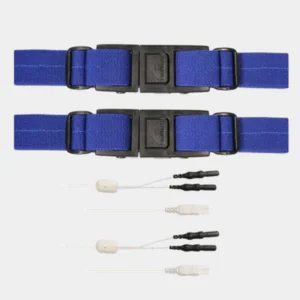
Alice PDX | Alice 6 Durabelts with Zripwireset
Original price was: $812.00.$464.00Current price is: $464.00. Add to cart
Dr. Harish Venkatesh –
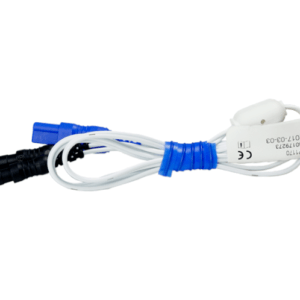
Accurately captures high-frequency vibration and acoustic sound energy from upper airway vibrations. Clear distinction between true obstructive snoring events and ambient room noise on our Alice 6 recordings.
Sangeeta Pillai –
Compact, low-profile design that secures firmly over the larynx using standard hypoallergenic tape without irritating the patient’s neck. The cable is flexible, lightweight, and doesn’t pull during movement.
Pradeep Mohanty –
Exact pin match for the Alice 6 headbox snore input channel. The piezo-acoustic element provides a stable baseline with zero electrical interference from nearby EEG/EMG leads.